
10 Reasons UW-Madison Students Should Care About Local Elections

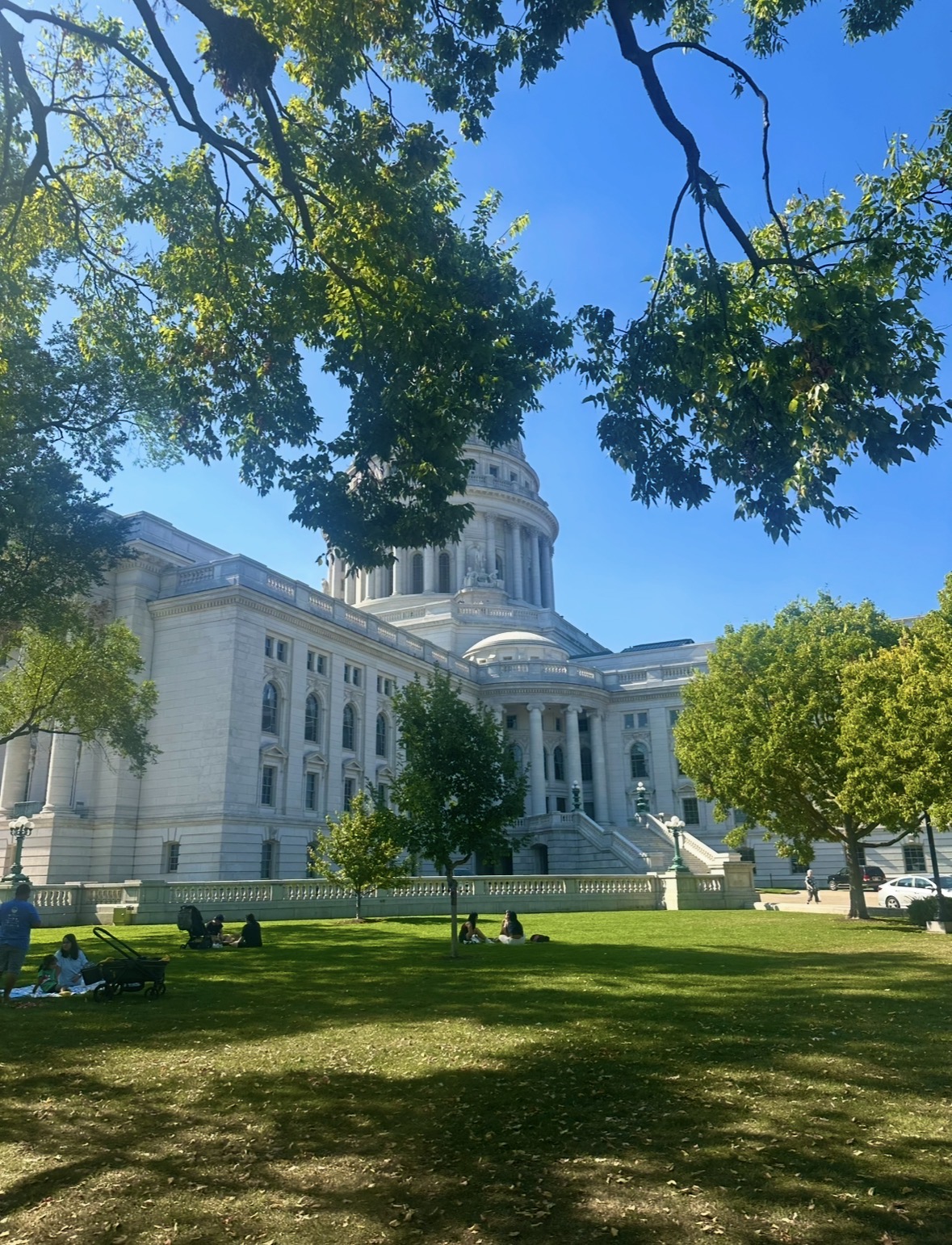
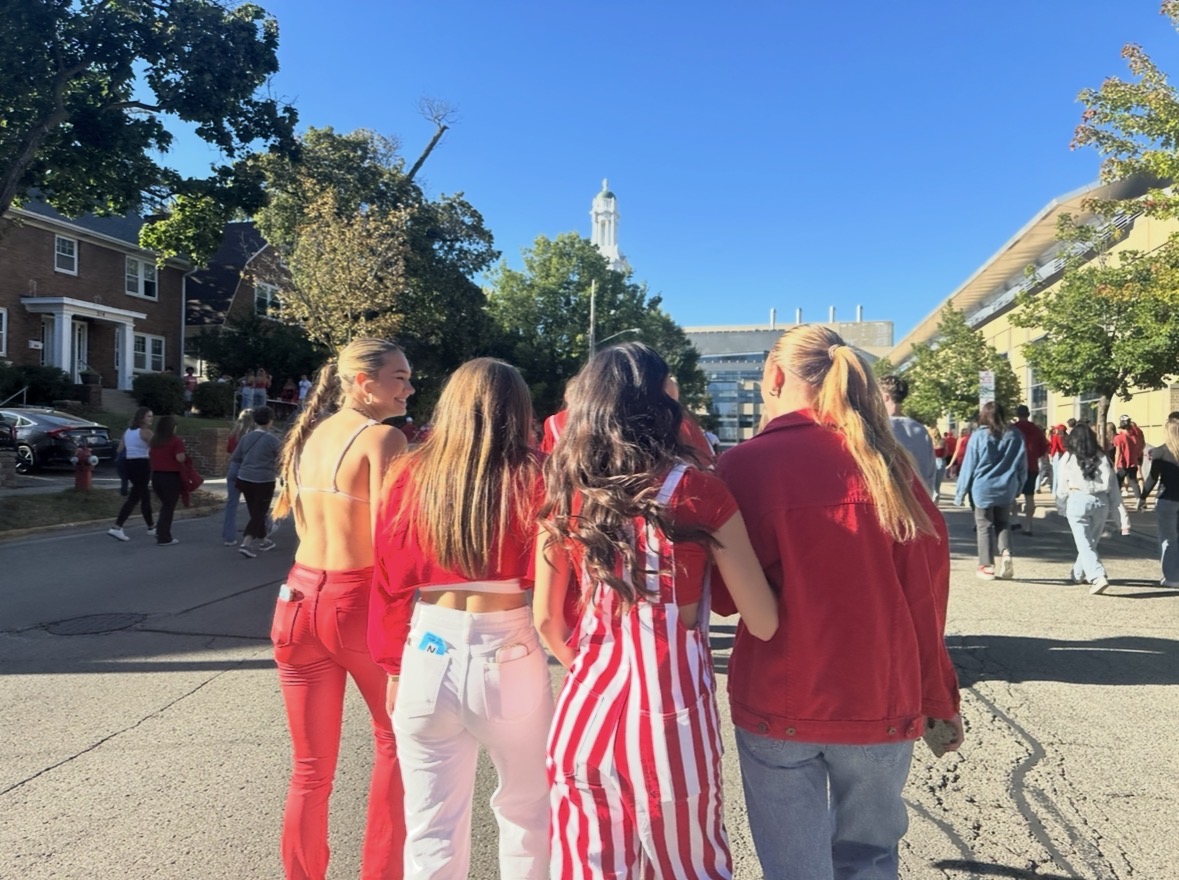
Most UW-Madison students follow presidential races closely. Meanwhile, the elections that shape rent prices, transit routes, police oversight and the physical shape of the city happen every April in low-turnout races that can be decided by fewer than 200 votes. State elections help set the terms for your tuition bill. Local elections influence nearly everything else. Here are 10 reasons the races closest to home deserve more of your attention than they get.
1. Madison’s housing crisis directly hits students and the Madison Common Council controls the levers.
The City of Madison’s 2025 Housing Snapshot report estimates 7,600 UW students are low- income renters in a market with 11,230 more low-income households than affordable homes. The rent a student worker can afford is $470 below Madison’s cheapest rental tier. The 20 alders who set housing policy are elected locally.
2. The state legislature set the terms for your tuition bill.
Wisconsin’s nonpartisan Legislative Fiscal Bureau found that UW System state funding grew 10.4% over a decade while inflation rose 27.5%. UW drained its tuition reserves by nearly half. The Board of Regents approved a 5.1% tuition hike for 2023-24. The legislature set both conditions.
3. When spring elections go low-turnout, city policy stops reflecting what you want.
A study of 1,600 U.S. cities in the American Political Science Review found that off-cycle elections like Madison’s April alder races reduce turnout by 37 percentage points. When that happens, the electorate skews older, wealthier and less representative. On tax policy, spending becomes five times less aligned with residents’ preferences.
4. Your campus alone outvotes Wisconsin’s presidential margins, so imagine what you could do locally.
UW-Madison students cast 25,000 votes in 2020, topping the 20,000-vote margins in Wisconsin’s last two presidential races, according to PBS Wisconsin. “Your vote in Wisconsin is probably louder than in almost any other state,” said Jay Heck of Common Cause Wisconsin. In a Madison Common Council race, that bloc dominates.
5. In Madison, students don’t just vote in local elections; they win them.
The 2023 race for the District 8 alderperson seat came down to 103 votes out of 4,531 ballots cast, according to the Dane County Official Canvass. Both candidates were UW-Madison students. Local elections are races students have the power to shape, both as candidates and as voters.
6. Vote in Madison’s spring elections now and you will be voting in them for years to come.
Voting once raises the probability of voting again by roughly 10 percentage points, according to research in the American Journal of Political Science. That habit is election-type specific and holds for at least 20 years. Starting with a Madison alder race builds that pattern.
7. Elected alders decide if the bus you take to class keeps running.
About 30% of UW-Madison students ride the bus on good-weather days, doubling in cold or rain, according to UW-Madison’s 2023 Biennial Transportation Survey Report. With 80,000 commuters and only 13,000 spots, transit is essential. Metro Transit’s budget and routes are set by the Madison Common Council, elected each spring.
8. Who oversees Madison police? The alders you elect.
The Madison Common Council voted 15-5 in November 2024 to reallocate Madison Police Department funding and protect the Office of the Independent Police Monitor, according to the Badger Herald. That office is the only civilian body with authority to review how Madison police treat you. Alders decide if it exists.
9. Madison’s climate commitments are decided by the alders you elect.
Student buildings drive 65% of Madison’s greenhouse gas emissions, according to Madison’s Sustainability & Resilience Office. The Common Council adopted a “Sustainability Plan” in 2024, including a roadmap to 100% renewable energy and lower building emissions. But a plan is only as good as the alders elected to enforce it.
10. You’re here for four years. The decisions being made now will outlast your enrollment by a decade.
Research tracking zoning reforms across 1,136 U.S. cities found that decisions take three to nine years to affect housing supply, according to a study in Urban Studies. The alders elected this April will shape what Madison builds into the 2030s. You will be living with those choices after graduation.
 thelocalgap.com